Leaderboard


Popular Content
Showing content with the highest reputation on 05/21/2026 in Posts
-
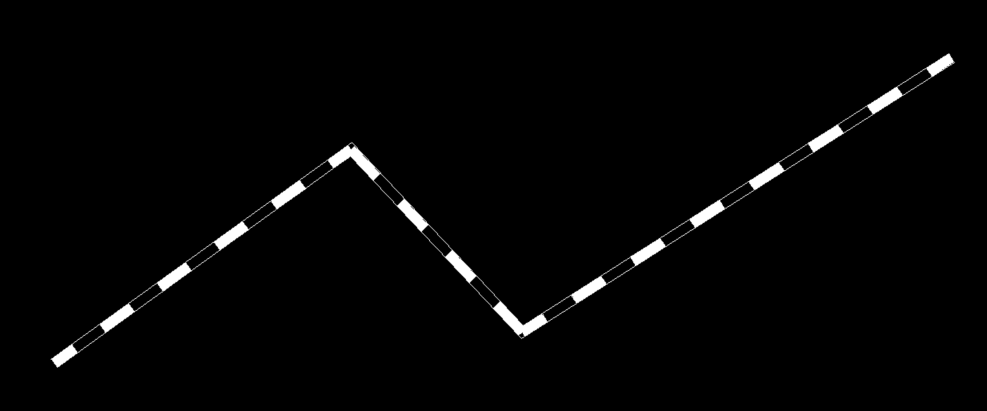
The equal linetype as supplied is just a dashed linetype that has a length of one unit and a gap of one unit. By setting its LTSCALE to the length of a pipe you can get an idea of the number of pipes involved. I have somewhere also convert an existing line to two lines as per right hand image, The GIS used to dump out a single line on a size layer so we wanted 2 dashed lines to imply existing drainage. Will try to find I think that is what you want.2 points
-
Hey, that's useful. I'm keeping this one1 point
-
Taking your example video this is convert a p/line to a drainage pipe written for civil road works, with most common AUS sizes. Needs linetype Equal the length of dashed is set to 2.4 which is a length of a concrete pipe. Handy for civil works. It is not dynamic. *EQUAL,_ _ _ _ _ _ _ _ _ _ _ _ _ _ _ _ _ _ _ _ _ _ _ _ _ _ _ _ _ _ _ _ _ A,1.0,-1.0 Pipe offsets.lsp If you post here a VLR function can test. Fillet offset circle.lsp Have a look at "Fillet offset circle" uses reactors.
 1 point